Managing your Pony’s Skin this Winter
By Jemima Weaver NAF Equine Nutritionist Bsc (Hons)
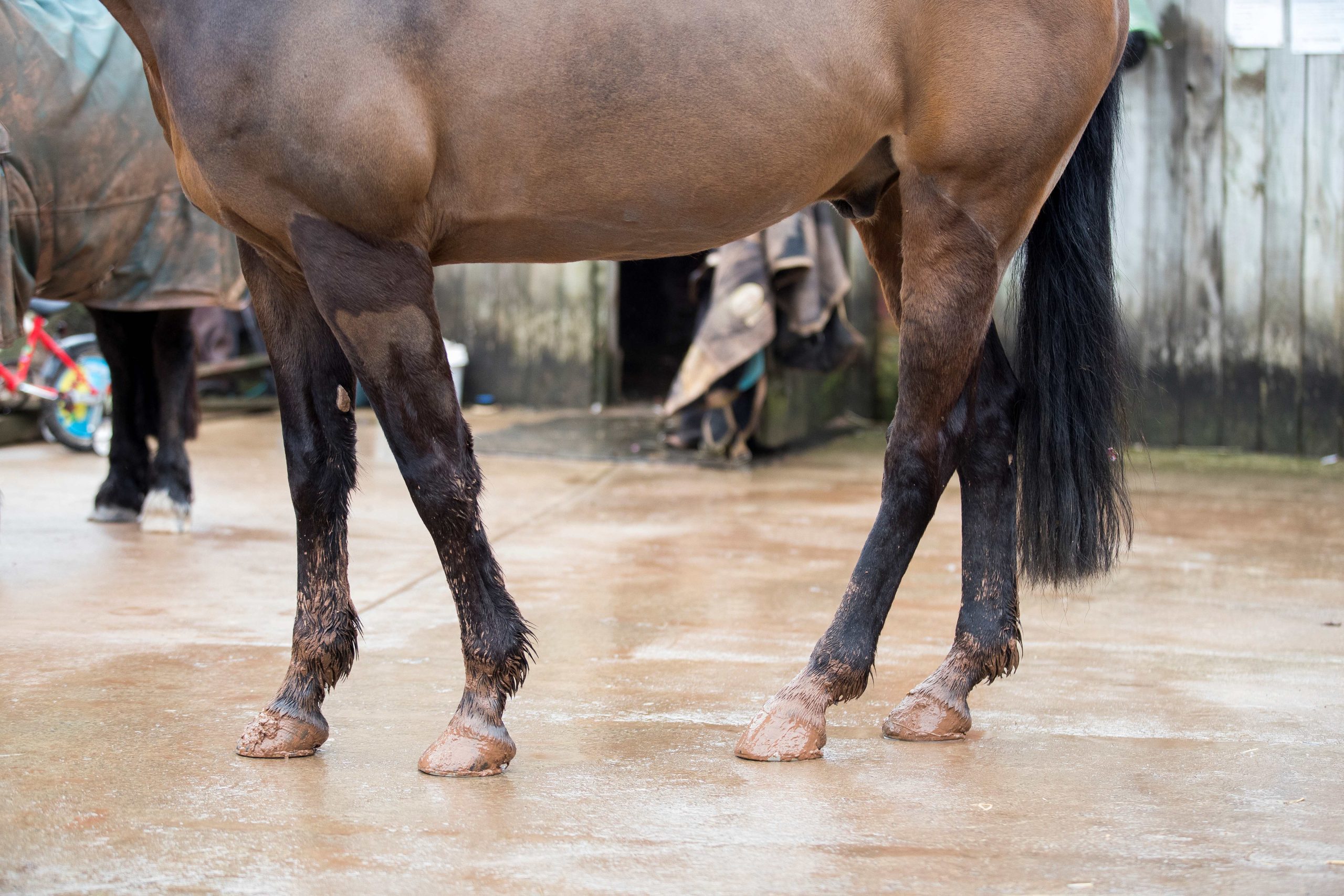
Winter can be challenging for your horse or pony’s skin health. Wet, muddy conditions, thick winter coats and rugging can all increase the risk of skin problems such as mud fever, rain scald, and irritation.
Keep the Skin Clean and Dry
Regular grooming helps remove mud, dirt, and dead skin cells while allowing you to check for any developing issues. Pay particular attention to the legs, heels, and areas under rugs where moisture can become trapped.
Manage Mud Exposure
Where possible, try to reduce prolonged exposure to wet and muddy conditions. Make sure your pony’s legs are thoroughly dried after washing, and avoid excessive cleaning, as over-washing can strip the skin’s natural protective barrier. Check their legs daily and quickly treat any minor abrasions with wound cream and an effective barrier cream.
Early Signs of Equine Pastern Dermatitis aka Mud Fever
- Scabs or lesions on the heels and pasterns
- Hair loss or loose tufts of hair
- Pain or sensitivity in affected areas
- Swollen pasterns
Rug Carefully
Choose your pony’s rug carefully, select a rug that is appropriate for both your pony and the weather conditions as an overly heavy rug can lead to overheating and sweating. Ensure rugs are clean and fit correctly; damp or dirty rugs can contribute to skin problems and discomfort.
Feed from within
Healthy skin starts from within. While a balanced diet forms the foundation of every horse or pony’s overall health and wellbeing, specific nutrients play an important role in maintaining skin integrity.
Zinc is essential for skin health, helping to support the maintenance of a strong skin barrier. Amino acids, the building blocks of protein, are required to produce keratin, a key structural component of both skin and hair. B vitamins support healthy skin metabolism and the maintenance of a glossy coat.
Clipping
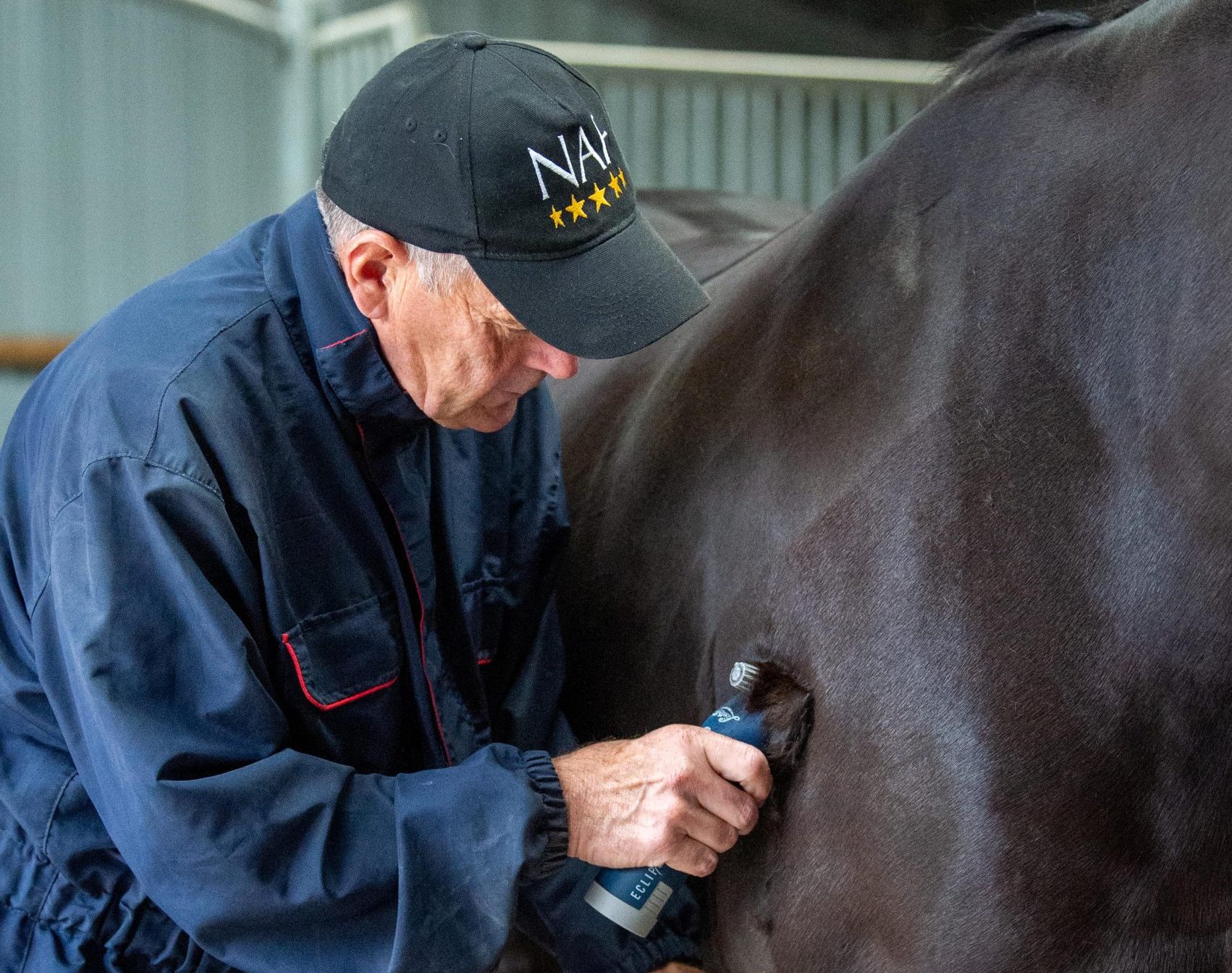
Clipping can help keep your pony comfortable during winter by reducing excess sweating during exercise, improving cooling after work, and making grooming easier.
Good preparation is essential for achieving a neat, even finish. Before clipping, make sure your pony is as clean as possible. A dirty, dusty coat can quickly blunt clipper blades and result in an untidy clip. Ideally, bath your pony beforehand, but if this isn’t practical, a thorough groom or hot cloth can help remove surface dirt and grease.
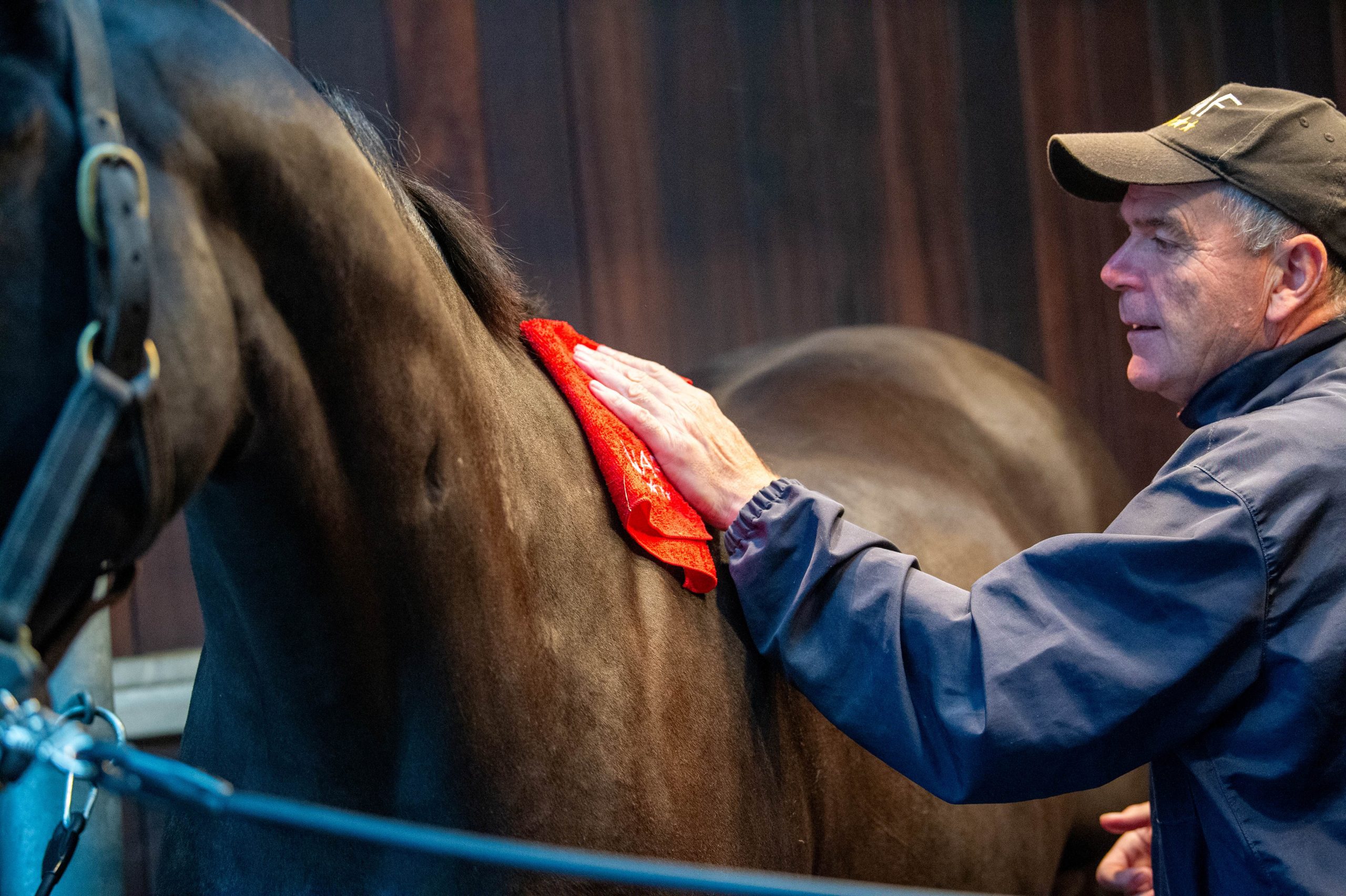
After clipping, spend time brushing your pony to remove any loose hair and remaining dust. Finishing with a hot cloth will help lift away any clipped hair, remove excess grease, and leave their coat looking clean and shiny.
Support the Skin Barrier
Maintaining the skin’s natural barrier is key to defending against winter challenges. Nutritional support alongside good management practices can help the skin remain healthy, resilient, and comfortable throughout the colder months.
Top tip: A combination of good stable management, regular grooming, suitable rugging, and targeted nutritional support can go a long way towards keeping your pony’s skin healthy all winter long.
Contact NAF to learn more about how to support your pony’s skin this winter