3 Ways to Limit the Risk of Equine Flu from Barrier Animal Health
Cases of equine flu are increasing in the UK, with recent events cancelled and vaccine guidance increasing to 6 monthly boosters. You can find out more about rising outbreaks from the Equine Infectious Disease Surveillance.
As this virus is highly contagious and can be spread via coughing as well as contact transmission on surfaces, Equine Flu is difficult to prevent entirely. But there are things you can do to mitigate the risk and help keep your horses healthy.
Here are three tips from Barrier Animal Health to consider this season:
Biosecurity
This encompasses everything you can do to protect your horses, from hygiene practices to surveillance and limiting the spread of disease. Prevention is better than cure so regular disinfecting of the stable, yard and equipment can kill bacteria on surfaces and lessen the chance of illness.
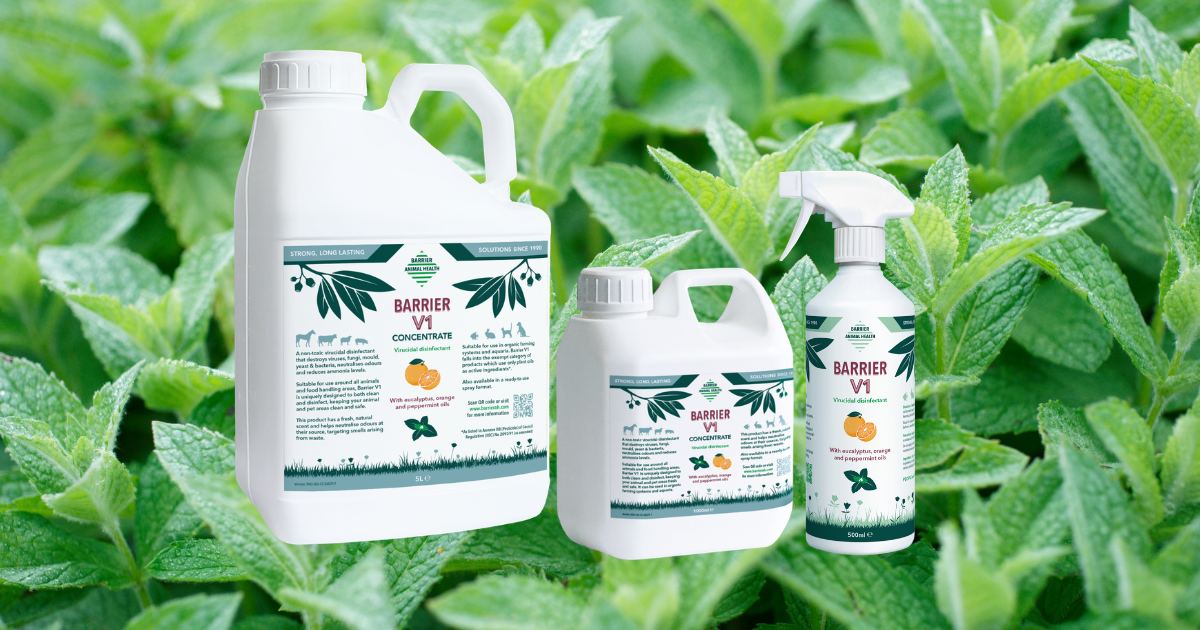
Barrier V1 is a natural, non-toxic virucidal disinfectant that cleans simultaneously and leaves a nice, fresh smell. Safe enough to be used in feeding areas and anywhere around humans and animals! Available in 500 ml ready to use or 1L & 5L concentrate.
Vital signs
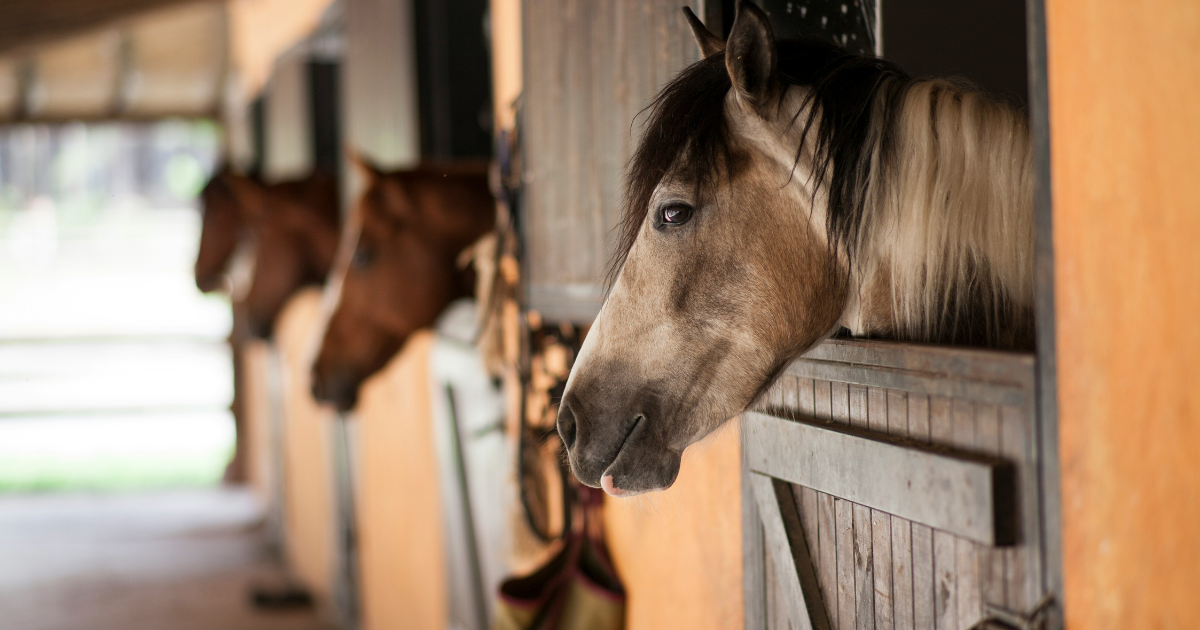
Horses can spread the virus as they develop a fever before showing clinical signs. By paying attention to your horses, you can learn to spot any variation in their usual disposition or behaviour, which could be a sign of impending flu.
If you are at all concerned, do not transport them anywhere and notify the yard manager. Ideally, keep them in an isolation stable to monitor their progess.

Don’t risk it
Cancel shows if you are suspicious of infection, because sharing / hiring transport is a surefire way to spread disease. Most outbreaks occur at competition venues, sales yards and livery yards, where horses from many different environments are sharing space.
As an extra precaution when travelling, bring along Barrier V1 to disinfect the shared box before and after use.
With awareness of biosecurity and regular cleaning practices, you can greatly reduce the risk of your horses catching and spreading Equine Flu.