The Importance of Routine Dentistry For Your Horse or Pony
Written by Francis Tomlinson BVSc CertAVP AFHEA MRCVS, on behalf of our Veterinary Partner, CVS.
Some of you may be looking at this and thinking ‘Horses? Dentistry? Why would a horse need a visit from the dentist? Surely horses have evolved to cope without a dentist!?’ If only we could count on this!
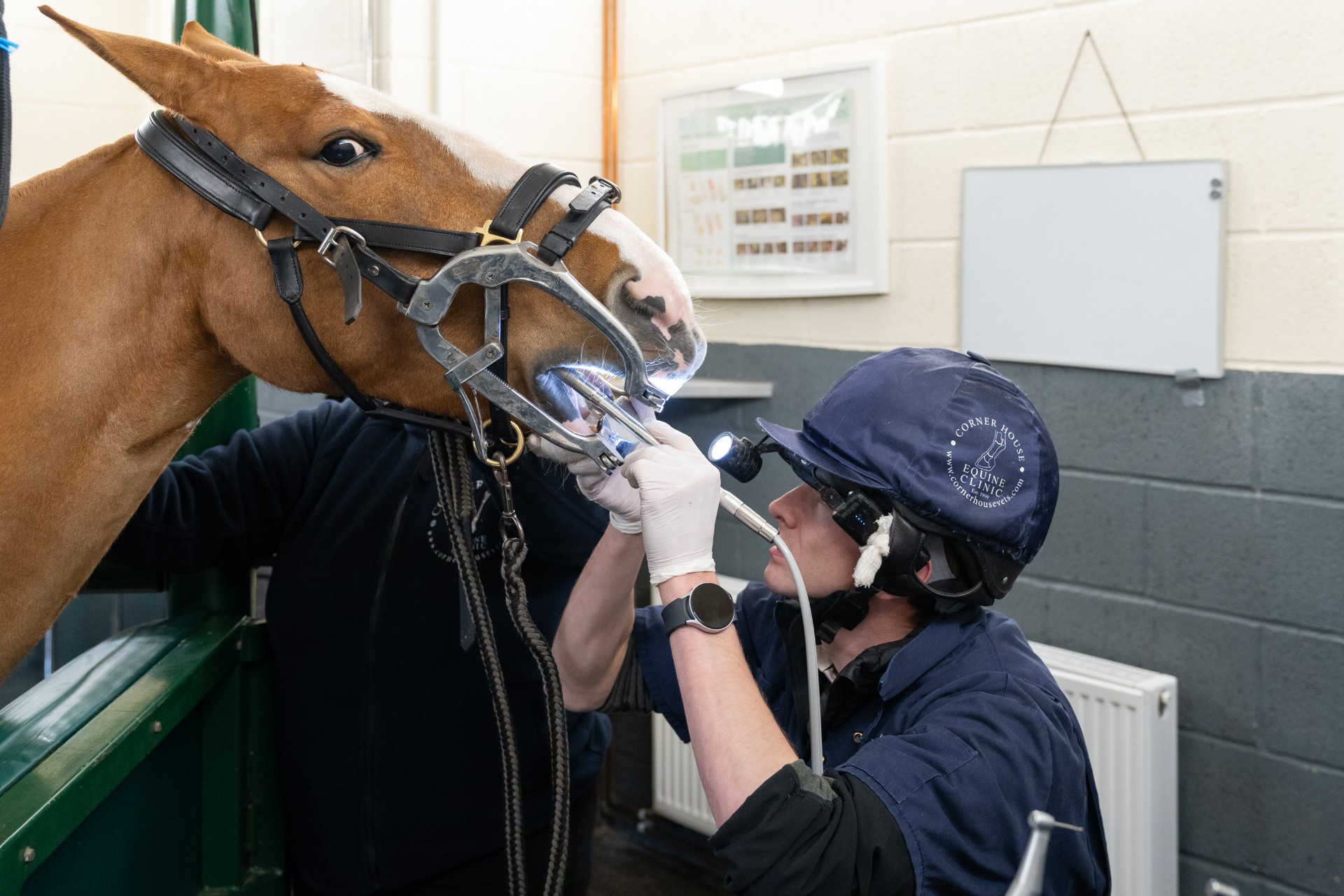
Horses usually have their first dental examination at about 2 years old. By then, they should be starting to lose their baby molar teeth (caps), and their adult teeth are just starting to come through. At this age their teeth can be at their sharpest, and can cause some major discomfort! The sharp teeth may rub against their cheeks and tongue causing sore areas and ulcers, so that especially when ridden, a horse’s mouth can be painful.
We remove the sharp points of the teeth by ‘rasping’ them, either with hand files or a motorised dental unit to remove these points and make the teeth smooth. This helps make their mouth comfortable to take the bit when ridden.
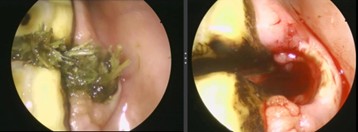
The sharp points on the teeth, while extremely common and what most people know about, are not the only things to see in a horse’s mouth on these routine checks. There are many other things to see when looking at horses’ teeth. For example, they can have food trapped between their teeth (see image below), they can have cavities, wobbly or fractured teeth… the list goes on! These problems can be difficult to spot, or it might not look too severe until closer examination. As horses are prey animals they often don’t show when they are in pain so there can be quite serious dental problems despite the horse showing no signs of discomfort.
When a horse has its teeth rasped, it is important for the horse to be relaxed and quiet to enable careful examination and so sedation is often used to help the horse calm. Sedation can be given to the horse by a vet or veterinary nurse. Horses need to have their teeth checked at least every 12 months, but often more frequently if there are more serious problems present.
Some vets use a portable rigid camera called an ‘oroscope’ to put into the mouth and examine all the teeth on a TV screen! This lets the vet thoroughly examine each tooth and is a great way to see and record what is going on inside a horse’s mouth. Using one of these cameras is useful when treating horses with more complex dental diseases and makes it even more important that the horse isn’t chewing and is nice and relaxed.
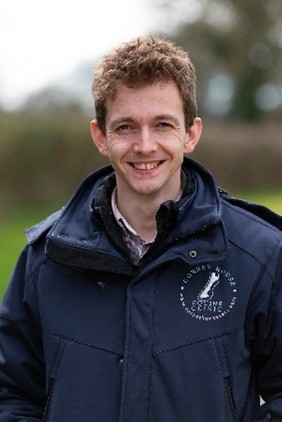
A little bit about the author Francis Tomlinson BVSc CertAVP AFHEA MRCVS.
Frankie is interested in all aspects of equine medicine, but his passion is dentistry. Frankie holds an advanced qualification in dentistry and often collaborates with specialists from our CVS clinics in advanced dentistry procedures here in Ullenhall. Frankie holds regular dental clinics for advanced dentistry here at the practice and is responsible for mentoring the next generation of veterinary students.
When he’s not busy with teeth or emergencies Frankie spends time with his family and leisurely country walks with his dog Oscar.