2026 Rulebook Updates: A Look Across The Pony Club Sports
The 2026 Pony Club year introduces a series of rule updates across all sports, reflecting ongoing commitments to equine welfare, competitor safety and fairness, and clearer guidance for organisers and volunteers. Some changes will subtly refine how competitions operate, while others may directly affect eligibility, equipment or formats.
Each year, every Pony Club sports committee – made up of up to 10 volunteers, including their Chairman and two Area Representatives – meets several times to review their sport and its rulebook. In the Autumn, these meetings focus on finalising proposed rule changes, which are shared with relevant Company Members to gather feedback and consider the impact on Members. All feedback is collated and returned to the sports committees for further discussion before a final set of rule changes is presented to the Rules and Compliance Committee, and the Management Committee or Board of Trustees if required, ahead of inclusion in the following year’s rulebooks.
Additionally, every early Autumn, there is an open nomination process to join sports committees. Each rulebook lists current committee members along with the year their term ends – for example, those marked (2026) will be up for re-election at the end of the year. Existing members may reapply, but the opportunity is also open to new applicants. If the number of applicants exceeds the available spaces, an online vote among Company Members determines the successful candidates. The term for committee members is three years.
If there are any sports committees you would like to join, and you notice either fewer than 10 members on the committee or members due for re-election in 2026, we encourage you to apply this Autumn and help shape the future of your sport!
This article highlights where changes have been made and points you to the relevant rule numbers – but it is not a substitute for the rulebooks themselves. Members are strongly encouraged to read the full rulebooks to understand how these updates apply in practice.
Changes Applying to ALL Sports
Across all Pony Club sports, the age at which horses and ponies may compete has been updated. In their first eligible year, horses must now be at least 60 months old before competing. This welfare-led change prevents horses from competing too soon after turning four and introduces greater consistency across disciplines. While the principle is consistent, Members should check their individual sport rulebook for any additional sport-specific detail.
In addition, the wording around the jewellery rule has been updated in all rulebooks to provide greater clarity.
Dressage
Most notably, rule 32 introduces new Dressage tests across almost all levels, for both Area Competitions and Championships. Clarifications around Area Teams are provided in rule 4c, including who may form a team and when teams must be declared. Rule 5a confirms that Area Events must be added to PELHAM, with approved entry systems automatically managing event listings and results submissions. Team substitution rules are updated in rule 8b to ensure fairer selection when riders or horses withdraw.
Ride-off formats at Championships are clarified in rules 9g and 13d, including the number of riders competing at JCB Championships and NAF Regional Championships. Updates to competitor dress and permitted tack appear in rules 20d and 21j, including guidance on numbers, equine goggles, and titanium masks, with a full list of non-permitted tack in rule 21o.
Finally, rule 49 introduces an update to the use of voice, a change that will be particularly welcome for PC70 and PC80 competitors.
The Pony Club is also delighted to welcome Agria as the official Dressage sponsor for 2026.
Endurance
There are no additional rule changes for Endurance in 2026 beyond those applied across all sports. The discipline heads into the new season with a new Sports Officer and plenty of enthusiasm for the year ahead.
Eventing
Section A introduces clearer requirements around the use of Official Stewards at Area competitions, confirming which levels must appoint their own steward and which will be covered by appointments made by Head Office.
There is added clarity around Area Teams in rule 2a, including who may make up a team and when teams must be declared. Rule 2b updates qualification pathways, outlining changes to the number of qualifiers available at competitions for PC70, PC70 Plus and the Chairman’s Cup, alongside a small adjustment to the timeframe in which MERs must be achieved for PC CC and PC110.
As with other sports, rule 4a confirms that Area Events must be added to PELHAM, with approved entry systems supporting event listings and results submission. Rule 7b introduces updated substitution requirements.
Competitors should pay close attention to rule 9, which contains a number of Dressage updates, including new tests and clarification on which tests may be commanded. Within this section, rule 9h introduces an update to the use of voice, a change that will be particularly relevant for PC70 and PC80 competitors.
Organisers should also note changes to cross-country course inspections in rule 11, which includes an adjusted time allowance for PC80 before penalties are applied. This supports the Eventing Committee’s continued decision not to allow stopwatches, encouraging Members to develop an understanding of riding the correct speed.
Finally, rule 20xi clarifies that equine eyewear is not permitted in Eventing.
Mounted Games
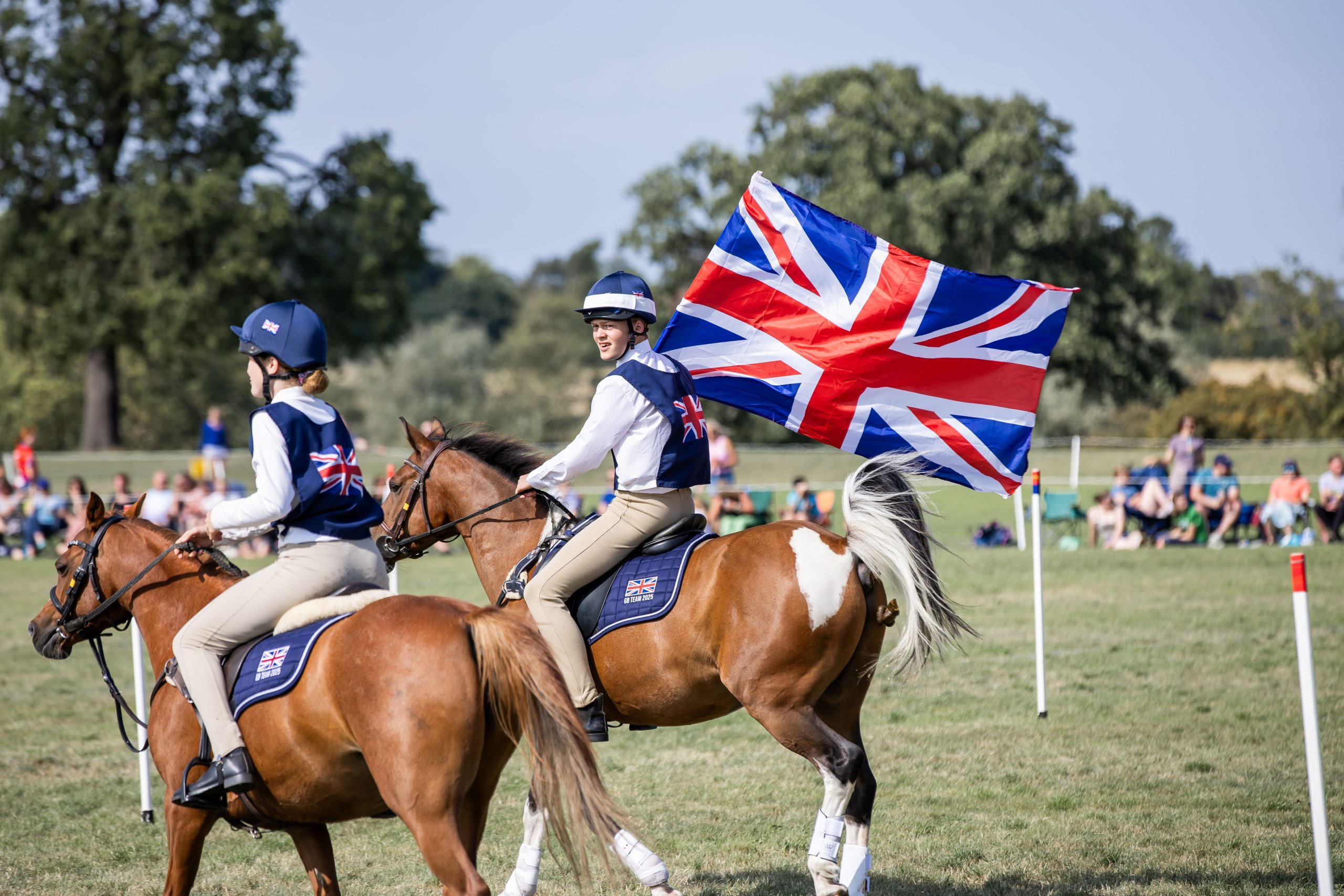
A reminder appears in rule 1d that, for Pairs competitions only, Members may wear white base layers instead of a shirt and tie. Equipment rules have also been expanded, with rule 2b providing further detail on which types of stirrups are permitted, and rule 2j clarifying the materials allowed for martingales and breastplates.
Eligibility wording has been refined in rule 12h, which clarifies how many Branches a pony may compete for. While the rule itself has not changed, the updated wording provides greater clarity. Similarly, rule 13 updates the terminology for Area Teams (previously known as Combined Teams) to better align Mounted Games with other Pony Club sports.
Substitution rules for Pairs have been updated in rule 17f, ensuring that at least one Member going forward to Zones or Championships competed at the previous round, supporting fair progression through the competition structure.
Finally, rule 23 (point 6) highlights guidance around the last rider and white hat bands, and from rule 24 onwards, the rulebook sets out the full list of 2026 Mounted Games races.
Polo
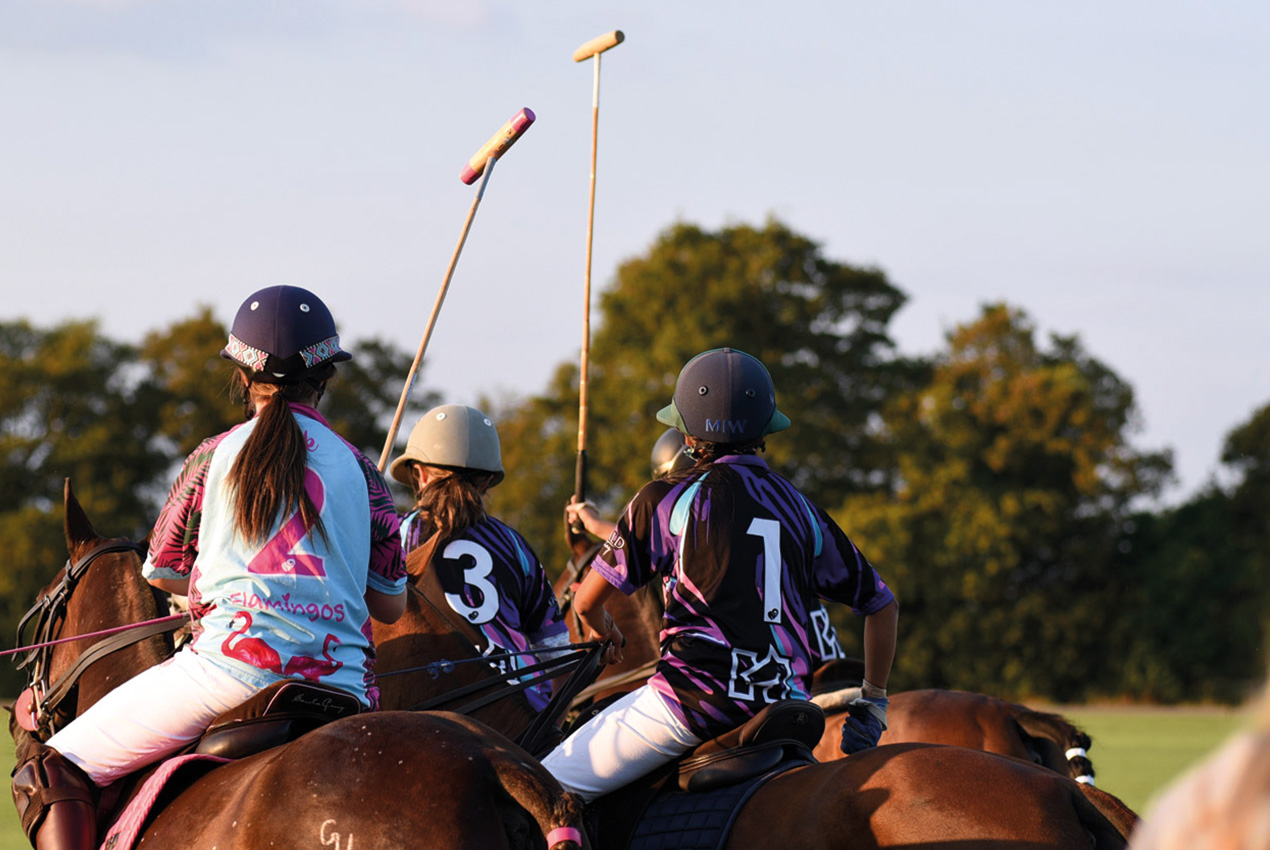
Polo introduces updates focused on safety and equipment. Rule 2.2 i) now requires all players to wear eye protection, while rule 2f confirms that spurs are no longer permitted in any section. The correct use and fit of bits and reins is clarified in rule 2.3c, and pony eligibility for Handley Cross is addressed in rule 3.7c. Polo is pleased to welcome Hurlingham Polo 1875 as its official sponsor for 2026.
Polocrosse
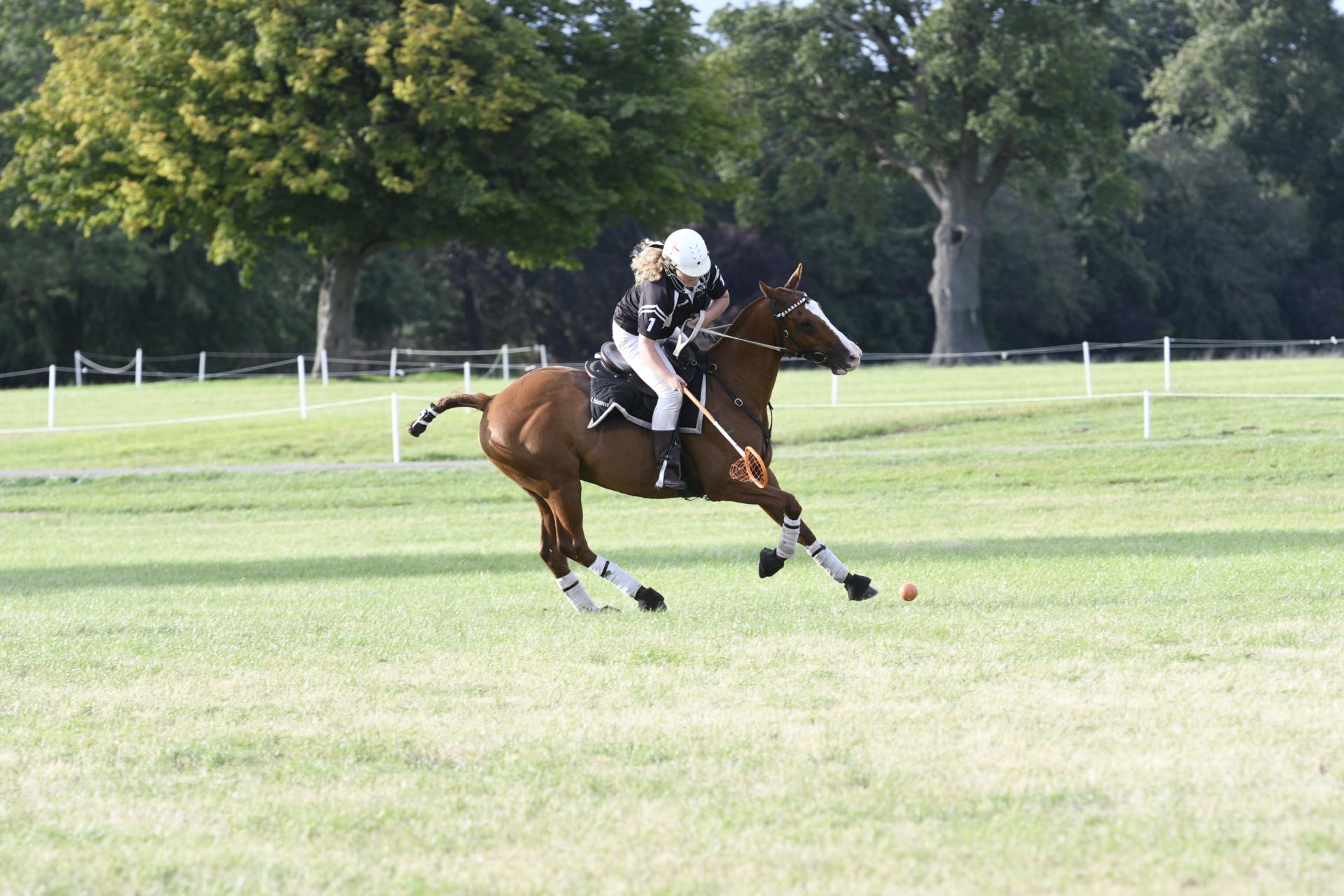
Rule 3m updates the use of overreach boots for Minis, while rule 16c and Appendix C add new provisions for horses that display dangerous behaviour or are sent off for a vice.
Rules on outside assistance have also been clarified: Part 3 h explains that spectators or umpires may not offer help, and rules m i and ii include additional guidance on reduced contact for Novice grades, supporting safer competition at all levels.
Pony Racing
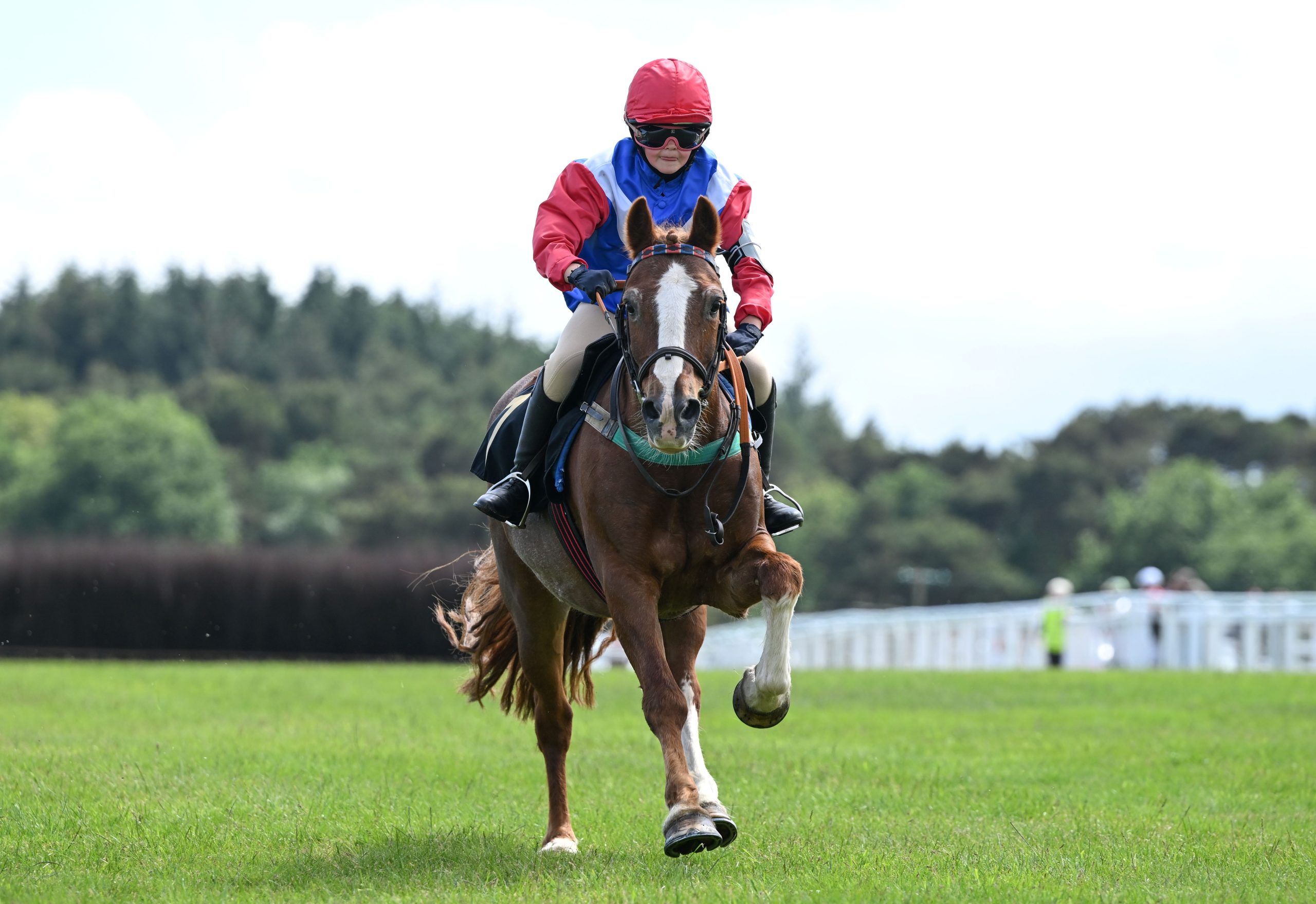
Rule 2a clarifies that standard stirrups and leathers may be used with racing saddles when the correct boots are worn, supporting smoother progression for riders onto racing saddles. Wording around breastplates and martingales has been simplified in rule 2e.
Eligibility guidance has been expanded in rule 12i, helping DCs and Centre Proprietors determine which riders are safe to race. Updates to rule 13 affect Novice, Intermediate, and Open classes, while the Beginners’ race eligibility remains unchanged to ensure it is reserved for true beginners. A reminder about ponies being led to the start is included in rule 25.
Show Jumping
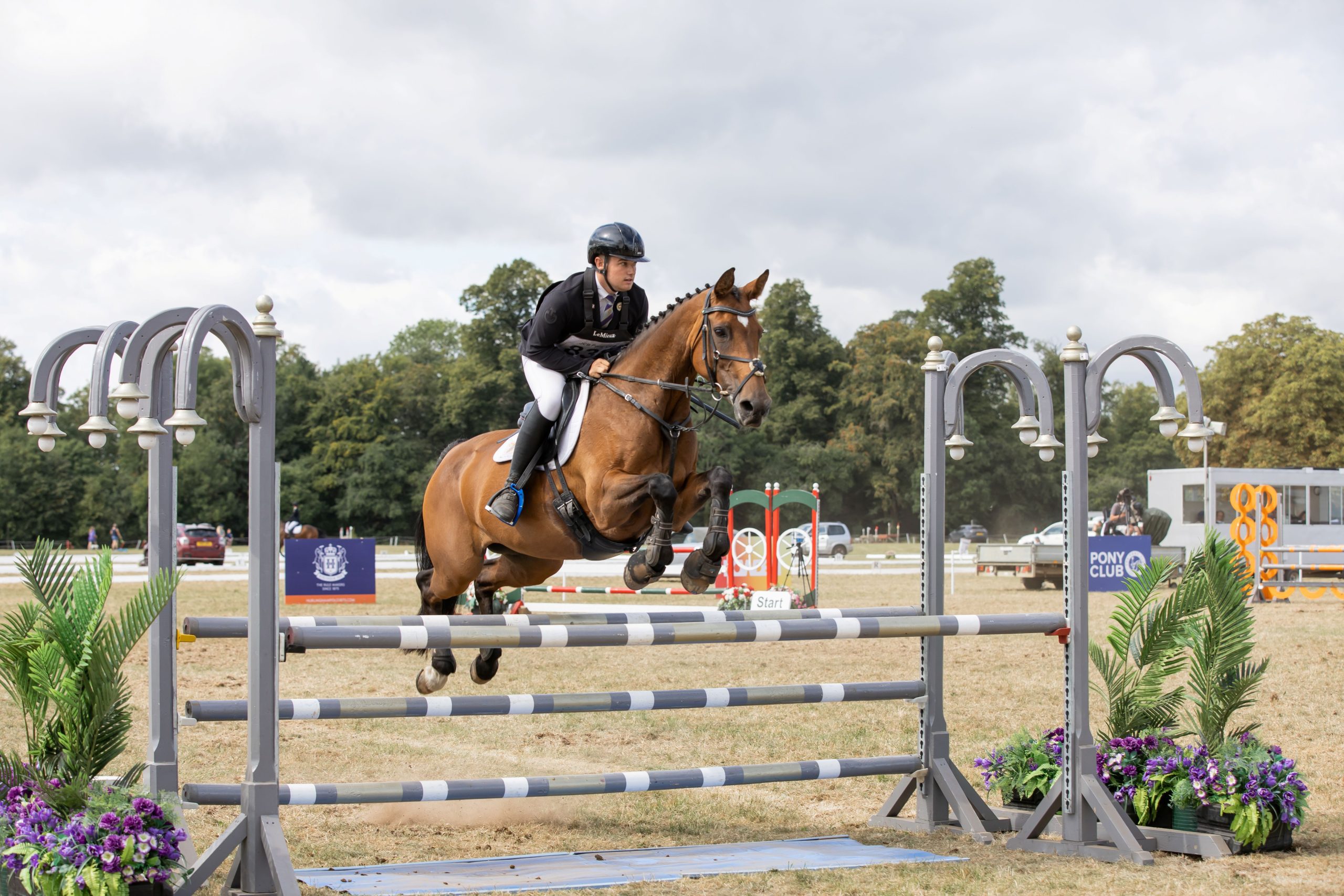
Rule 2b clarifies Area Team eligibility and formation timing, while rule 3a confirms that Area Events must be listed on PELHAM, with approved entry systems managing listings and results submissions. Substitution rules for Championships and Regional Championships are updated in rule 6b.
Course dimensions have slight adjustments (rules 13aii and 13b), and rule 13e introduces water trays in the second round for PC80 Area competitions. Rule 17i confirms that face masks covering the horse’s eyes are not permitted, and rule 33 updates faults for failing to jump the first fence within the required time.
Show Jumping is also pleased to welcome GFS as its official sponsor for 2026.

Tetrathlon
Rule 10d confirms that Area Competitions will be inspected by a BE Technical Advisor, while rule 17n permits the use of stopwatches for cross-country riding. Guidance on tack, including titanium hoods, is clarified in rules 18q and 18r, and rule 19 outlines procedures for logging incidents and restarting after a fall or injury.
Cross-country course modifications, marking, speed allowances, penalties, stopping procedures, and obstacles are addressed in rule 24 (c, d, f, g, h.i, i, l, q, z, bb), with further details on timing for Junior boys and girls in rule 32, mobile phone restrictions in rule 36l, and scoreboard access in rule 44. Area qualification rules are updated in rule 50, with substitution rules for Area and Championship competitions in rule 55, and vehicle drivers must hold a UK driving license (rule N.15).
Appendices C and E also include minor updates affecting speed, team eligibility, and sharing ponies.
Horsemanship
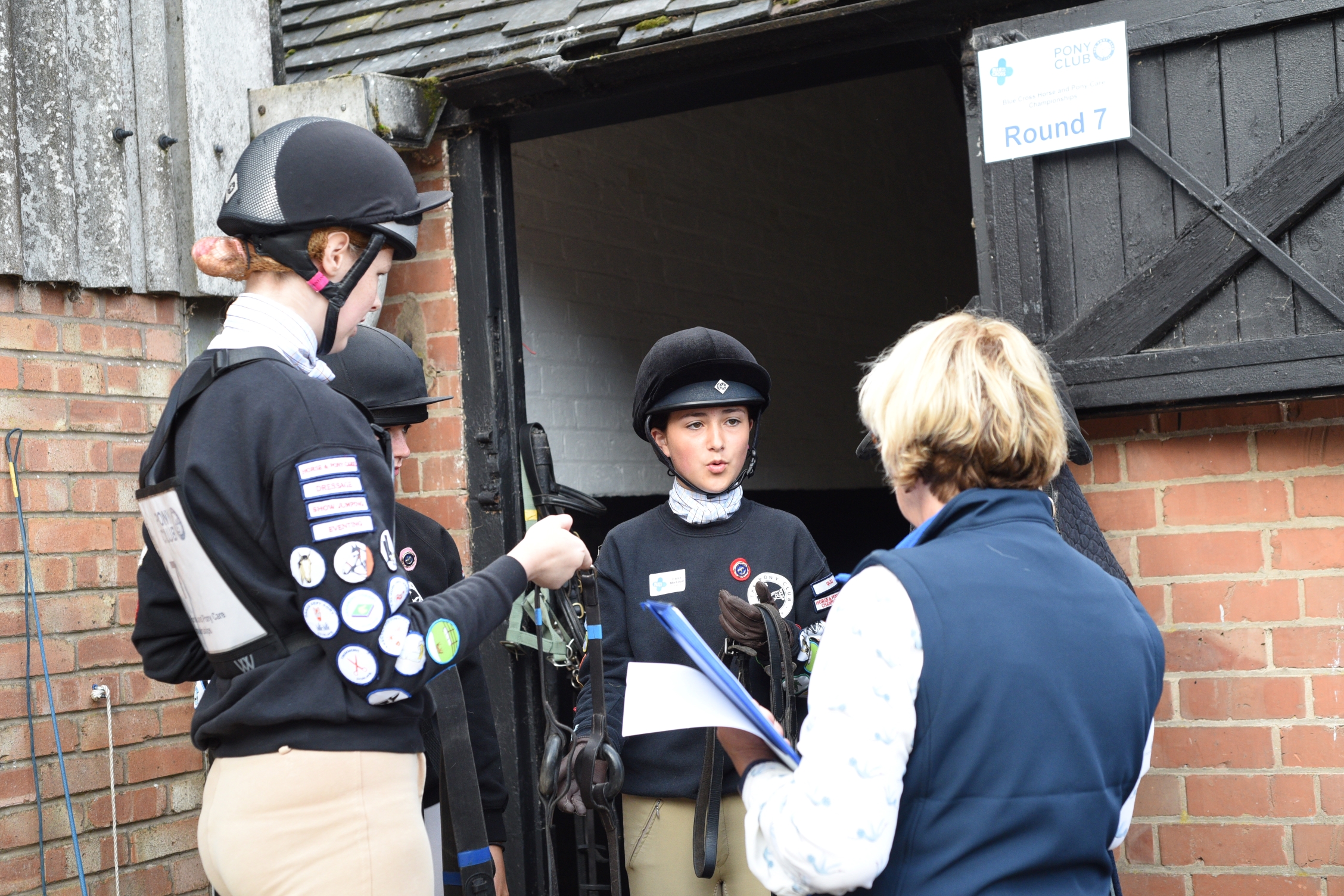
Rule 1 introduces a new Best Turned Out prize for teams demonstrating outstanding turnout and dress. Reasonable adjustments must be applied for in advance (Part II), and rule 6 reminds Team Managers to ensure all Members are the correct age.
Championship qualification is confirmed in rule 8, and rule 17 (Part III) clarifies when results from Area competitions must be submitted to Pony Club Results. Quiz updates appear in rule 32, including the number of rounds for Minis and Juniors/Seniors, with all Area competitions to be completed by 1 March 2026. Scoring changes are detailed in Appendix C, and Part V reiterates reasonable adjustments for Quiz and mobile phone restrictions.