Equine Influenza – Latest News
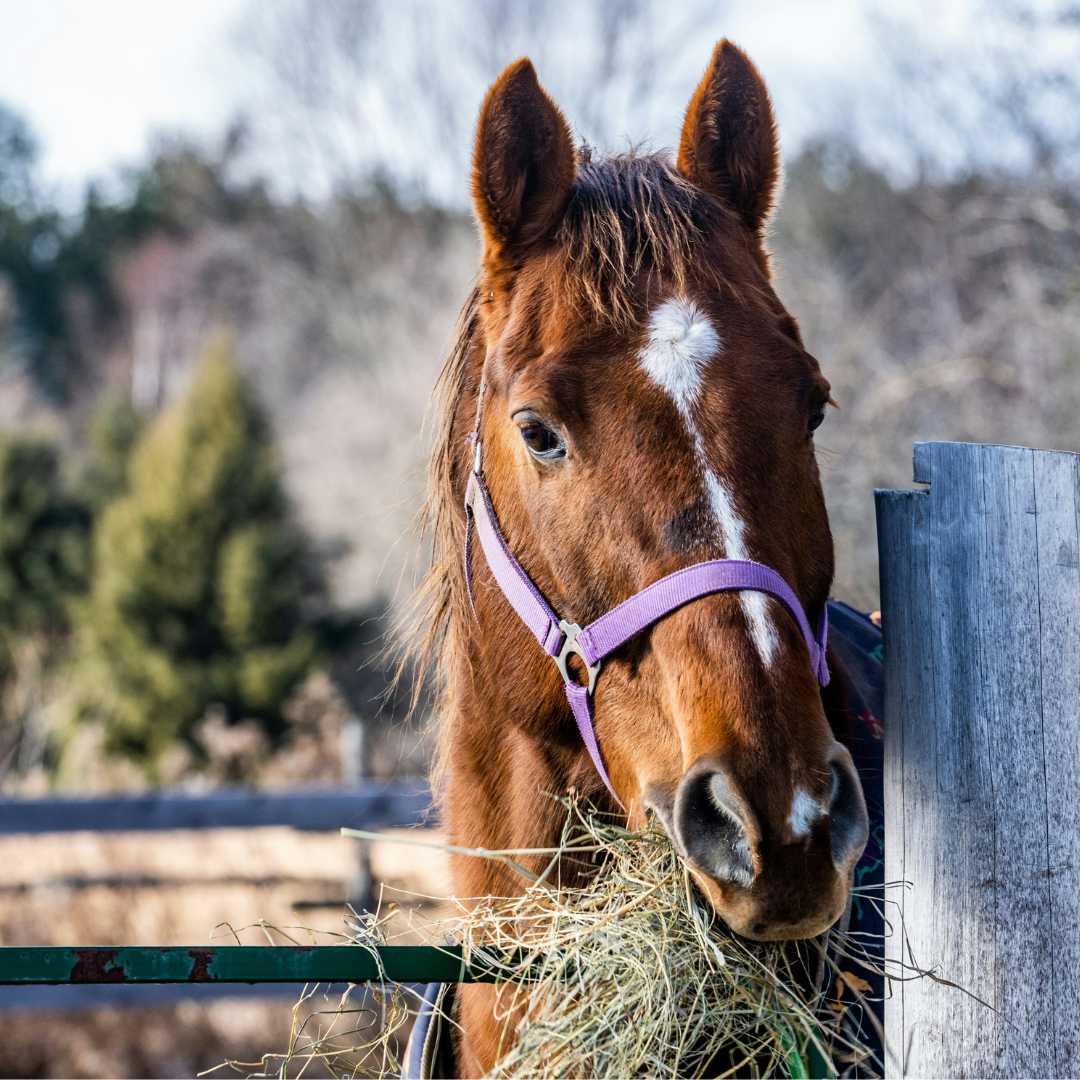
Equine Influenza – Update 15th May 2026.
As of 14th May 2026, there have been 60 confirmed cases, with a further 16 currently being investigated. Of the known cases, 6 were vaccinated, 36 were confirmed unvaccinated, the remainder are either unknown or unconfirmed. 58% of the affected horses had recently moved premises before becoming unwell.
Source: EIDS (Equine Infectious Diseases Surveillance)
Symptoms of Equine Influenza
Please stay alert for symptoms, including:
- Dry cough
- Fever
- Nasal discharge
- Loss of appetite
If a horse shows any of these signs:
- Isolate immediately
- Contact your vet
Movement of Horses
With cases spread widely across the country, moving horses between yards or to events currently carries a higher risk. Please take extra care and think carefully before travelling horses and ponies.
In the weeks/days before moving/travelling your horses and ponies, check them closely for any signs of illness, including taking their temperature. Further reading – Pre competition checks
Always travel your horse with their passport and make sure you are ready to show organisers and officials on arrival. It is reasonable and expected that passports should be checked for vaccination status at events in the current climate.
Precautions at Events
- Stay a safe distance from other horses and ponies
- Do not allow horses or ponies to touch or sniff each other
- Do not allow others to pet or touch your horse or pony
- Officials to keep touching of horses and ponies to a minimum
- Tack checkers/stewards should consider using gloves or anti-bacterial spray between horses and ponies
- If staying over, clean and disinfect stables between use
- Avoid communal grazing
- Do not allow drinking from communal water troughs
- Do not share tack, equipment, buckets or haynets.
- Further Reading – Biosecurity at Events
Protecting your horse
Vaccination
Ensure vaccinations are up to date. Unlike illnesses such as Strangles-causing bacteria, the Equine Influenza virus can spread over a kilometre “on the wind”, so it can be hard to contain. This makes vaccinations all the more important.
All the current commercial strains of vaccine are effective. If your horse or pony hasn’t had a booster in the last six months, it is sensible to bring their vaccination forward. Vaccinated animals can still be affected, but much less so than unvaccinated ones and will have a quicker recovery. If all the horses at a stable yard are vaccinated, then the virus is unlikely to take hold in the yard.
Additional Safeguards at your yard
- Quarantine new or returning horses and monitor them closely for at least two weeks.
Further reading – New arrivals
- Avoid sharing equipment such as tack, buckets, or feed containers
- Maintain good hygiene and biosecurity
- Further reading – Biosecurity at home
Make a Plan
Finally, it’s a good idea to have a basic plan in place in case of an outbreak, including where you would isolate horses and how you would manage movement on and off the yard.
If you have any concerns about your horse or pony, please contact your vet.
Thanks everyone for your cooperation and vigilance.
For further advice, please contact [email protected]