Test Your Knowledge of Equine Anatomy with Barrier Animal Health!
The more you know about technical anatomy, the better you can take care of your horses and ponies. Barrier Animal Health has compiled 3 points to better understand how your horse works!
Did you know…
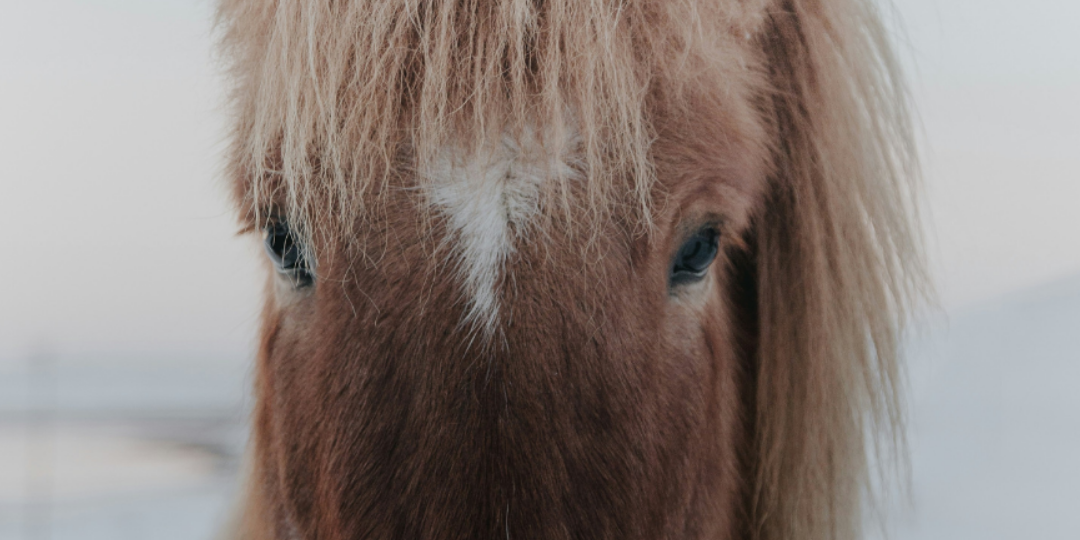
Eyes and Tear Ducts
Tears drain through the nasolacrimal duct, entering via small openings near the eye (the nasolacrimal puncta) and exiting inside the nostril at the nasal punctum. So any liquid that builds up in the tear ducts will actually flush out through the nose!
Keeping this area clean helps prevent irritation, staining, and cross-contamination from eye infections such as conjunctivitis, which are especially common in the summer months.
It is always advisable to use separate, clean, disposable pads when cleaning this area, as sponges can become breeding grounds for harmful bacteria.
We use Barrier Animal Health Antibacterial Eye & Nose Lotion to gently clean around the eyes and the tear duct outlet when needed. To find out how this 100% natural product is used, click here.
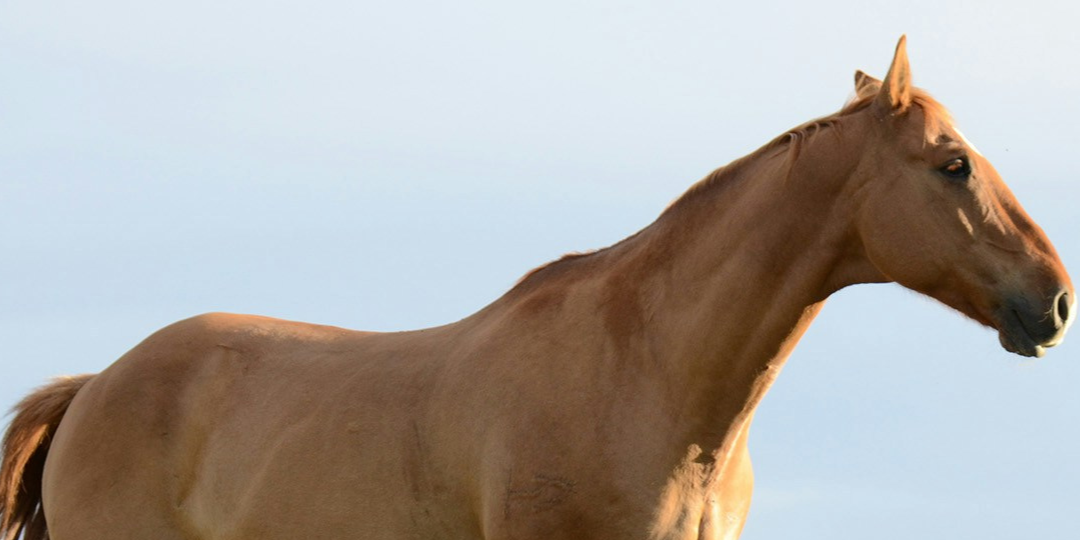
Neck
The neck is made up of seven cervical vertebrae (C1–C7) and runs down the centre of the neck, not along the top as you might think. Along the top of the neck runs a strong supporting structure called the nuchal ligament, which supports the head, neck and surrounding tissues.
Vertebrae names in the head and neck:
- C1 (Atlas) allows nodding
- C2 (Axis) allows turning
- C3–C7 support balance and movement
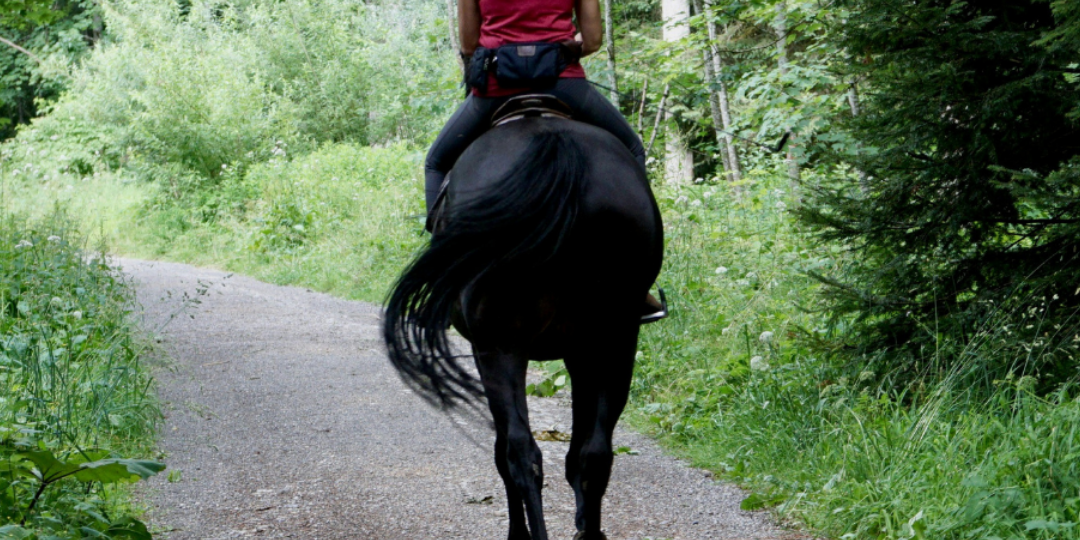
Dock and Tail
The dock is part of the spine and contains the caudal (coccygeal) vertebrae, which protect important nerves involved in tail movement and communication. The top section of the tail is actually a continuation of the spine and needs careful handling.
It is not just hair that you’re brushing, it is the end of their spine! Care must be taken when applying a tail bandage as wrapping too tightly can restrict circulation in this area.